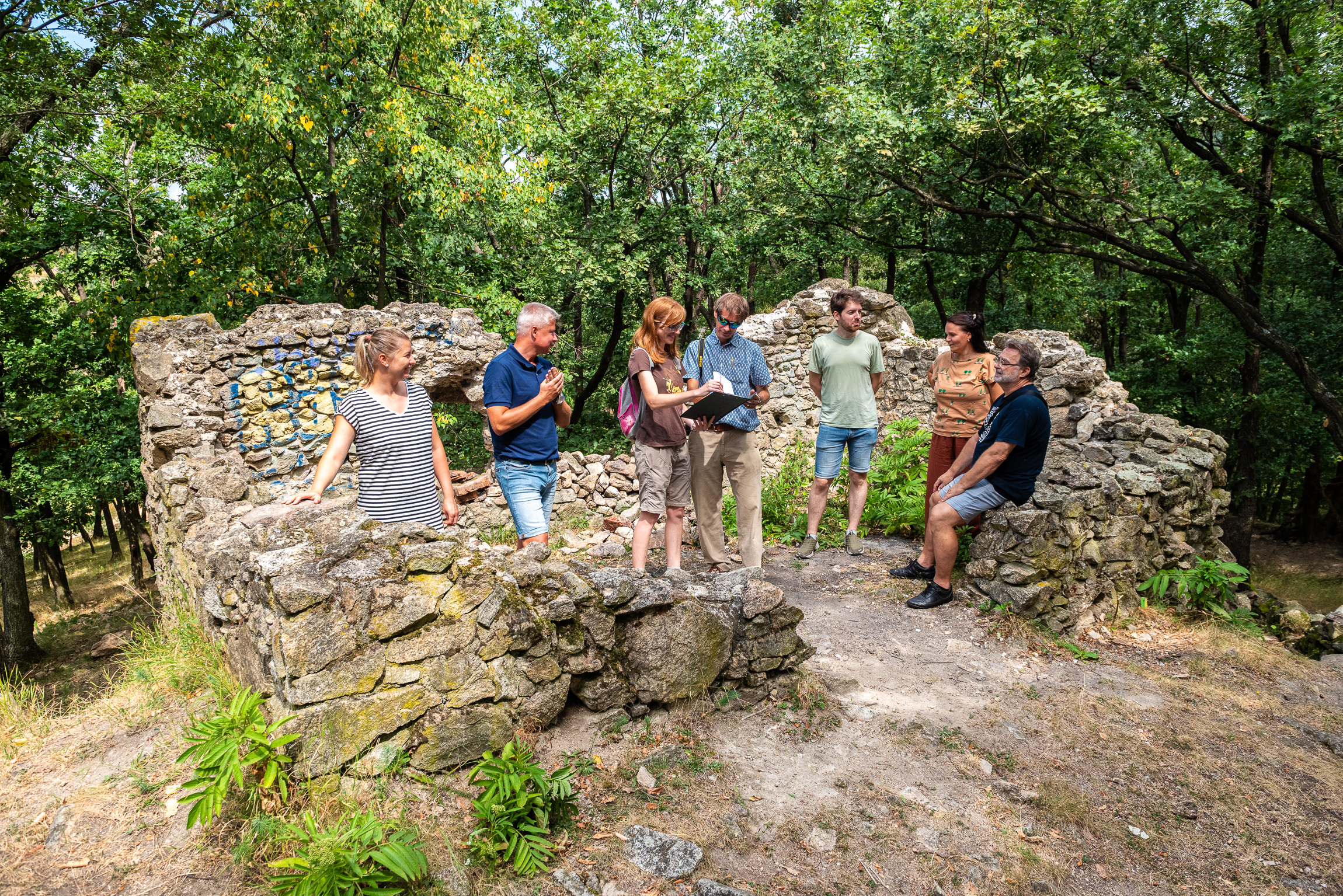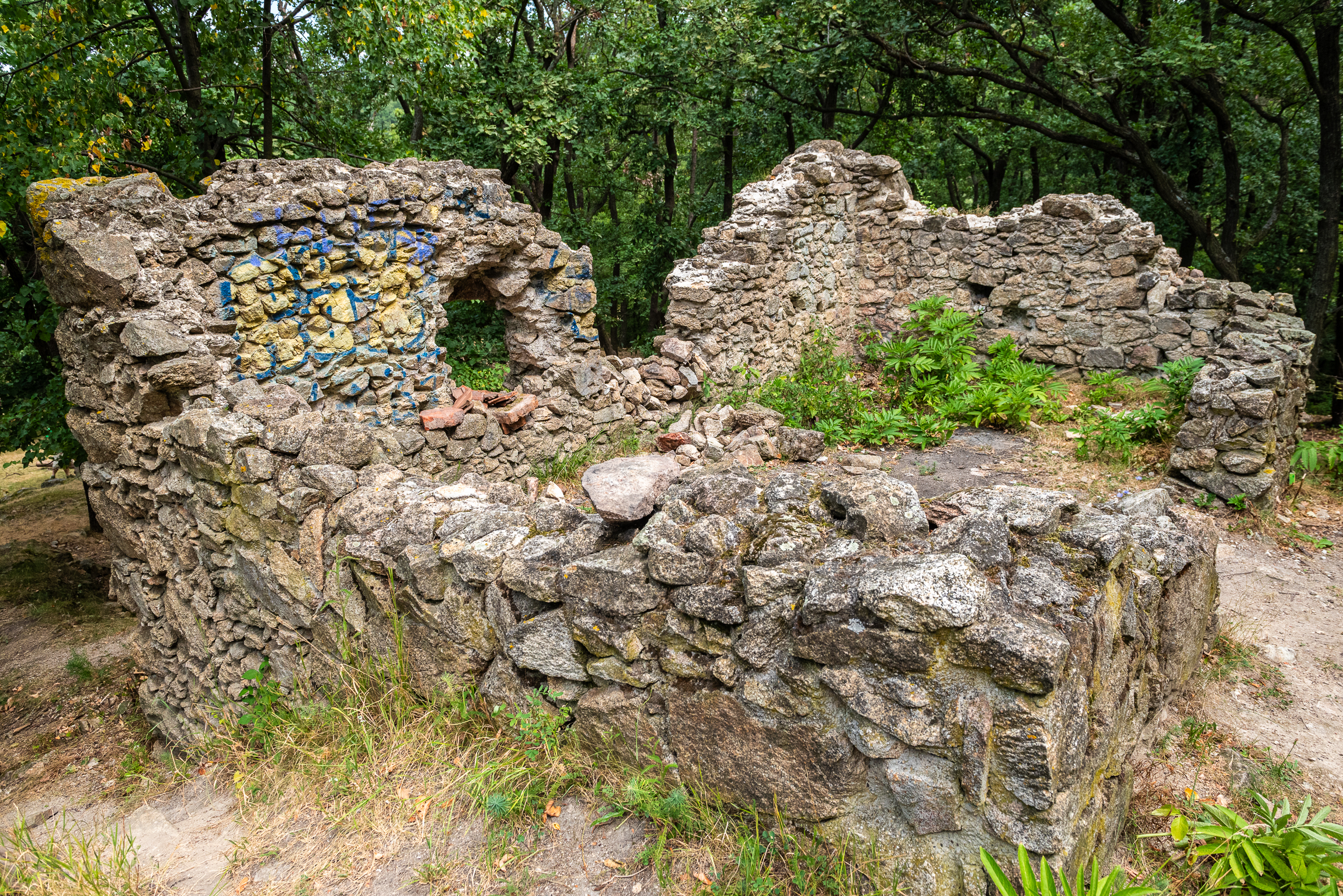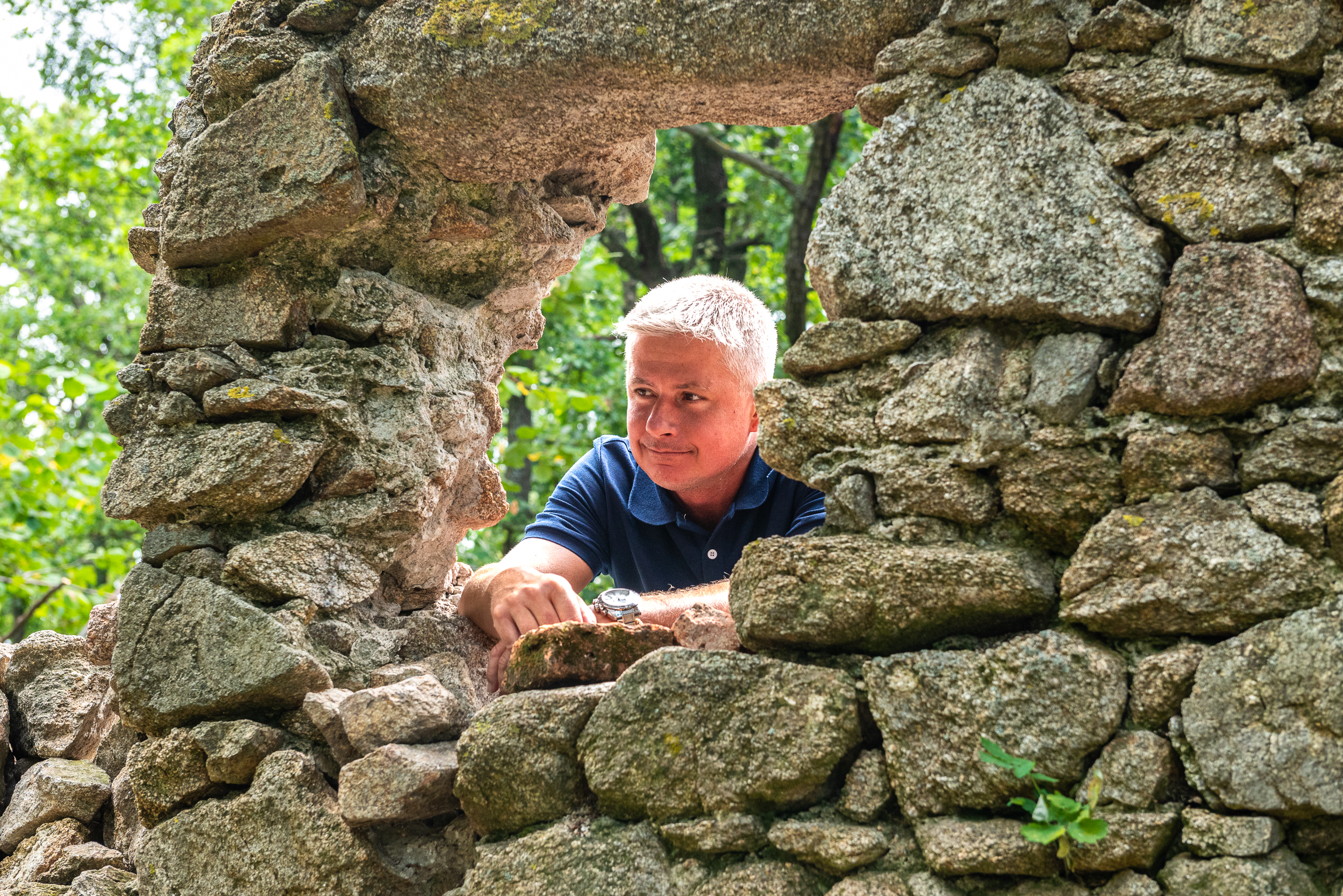

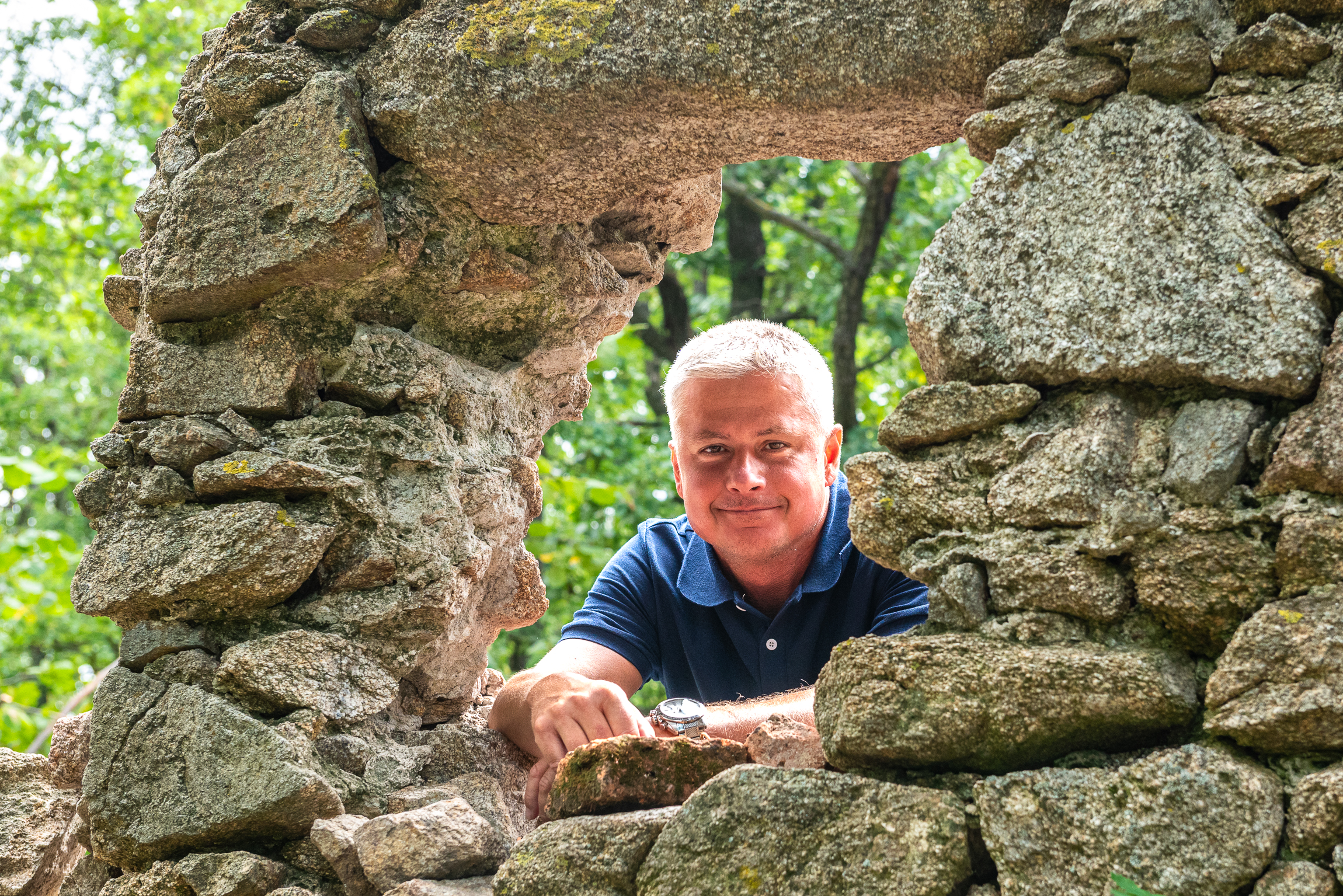
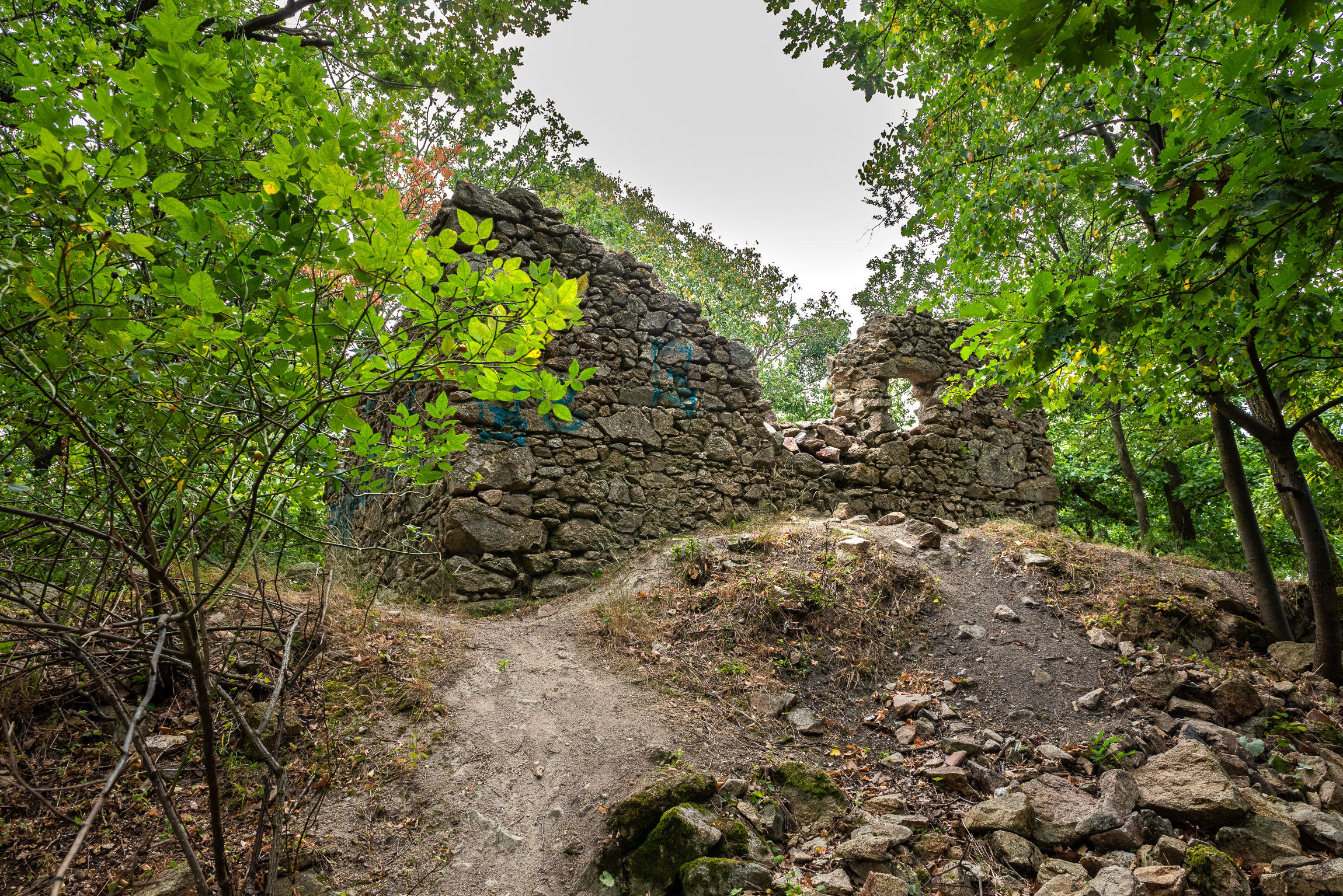
Almost every resident of Pezinok is familiar with the location in the Pezinok district where the stone ruins of the allegedly ‘perecký’ (or in the Pezinok dialect – ‘peregský’) house are located. It is a popular spot for nature walks, offering refreshment in the form of shade under the tree canopies and a pleasant place to sit in the outdoors. It is one of the interesting stops on the Viticultural Educational Trail.
But how and from where do we know that it is actually the house of a ‘pereg’ – a vineyard judge? And what is so interesting about this house that you might not have known?
A place where the truth is often more prosaic than romanticized visions
Uncovering layers of myths and legends is an attractive pursuit for Martin Hrubala, the director of the Small Carpathian Museum in Pezinok, who was also captivated by the history of the ‘perecký’ house. A history that may not be as straightforward as historical sources suggest.
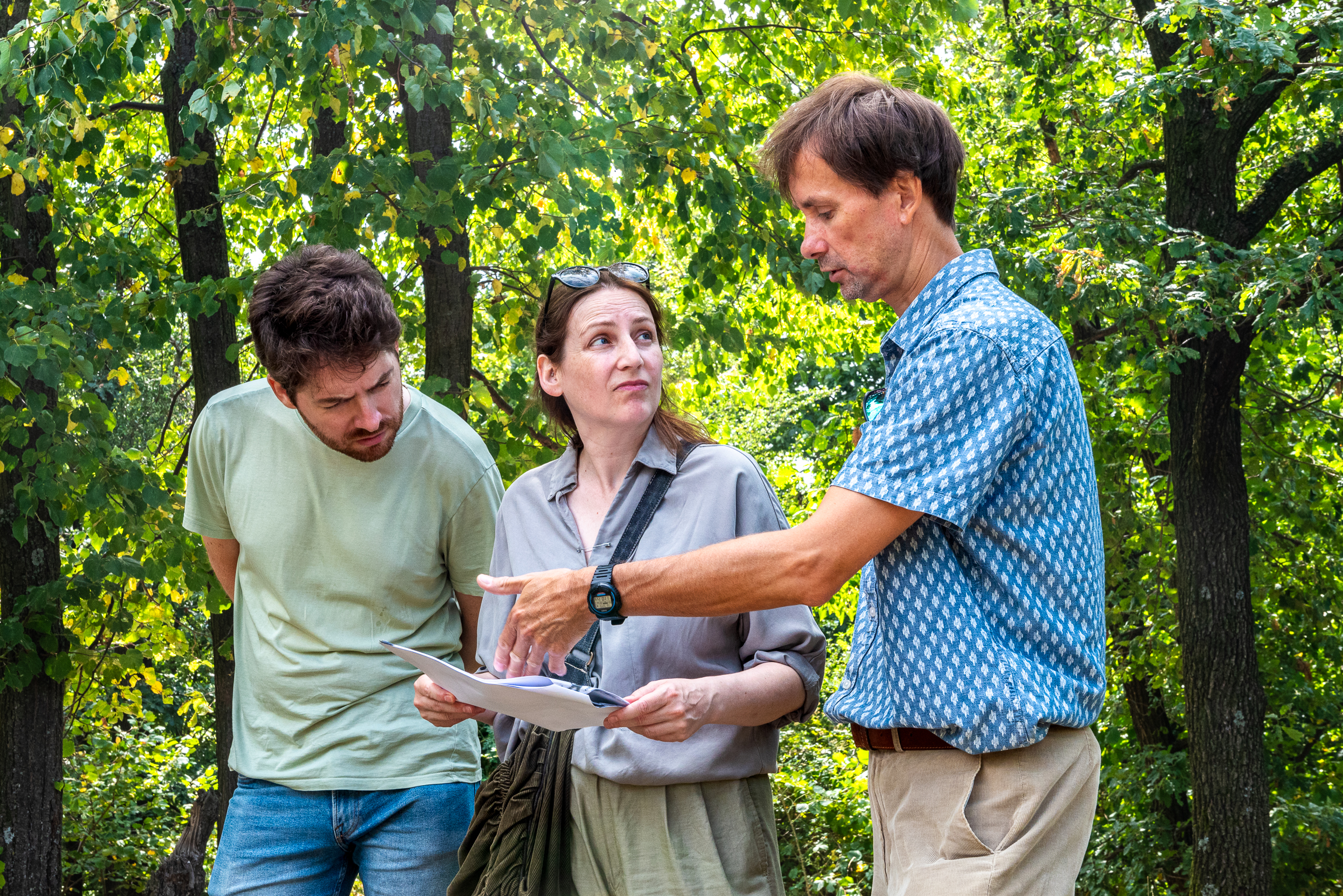
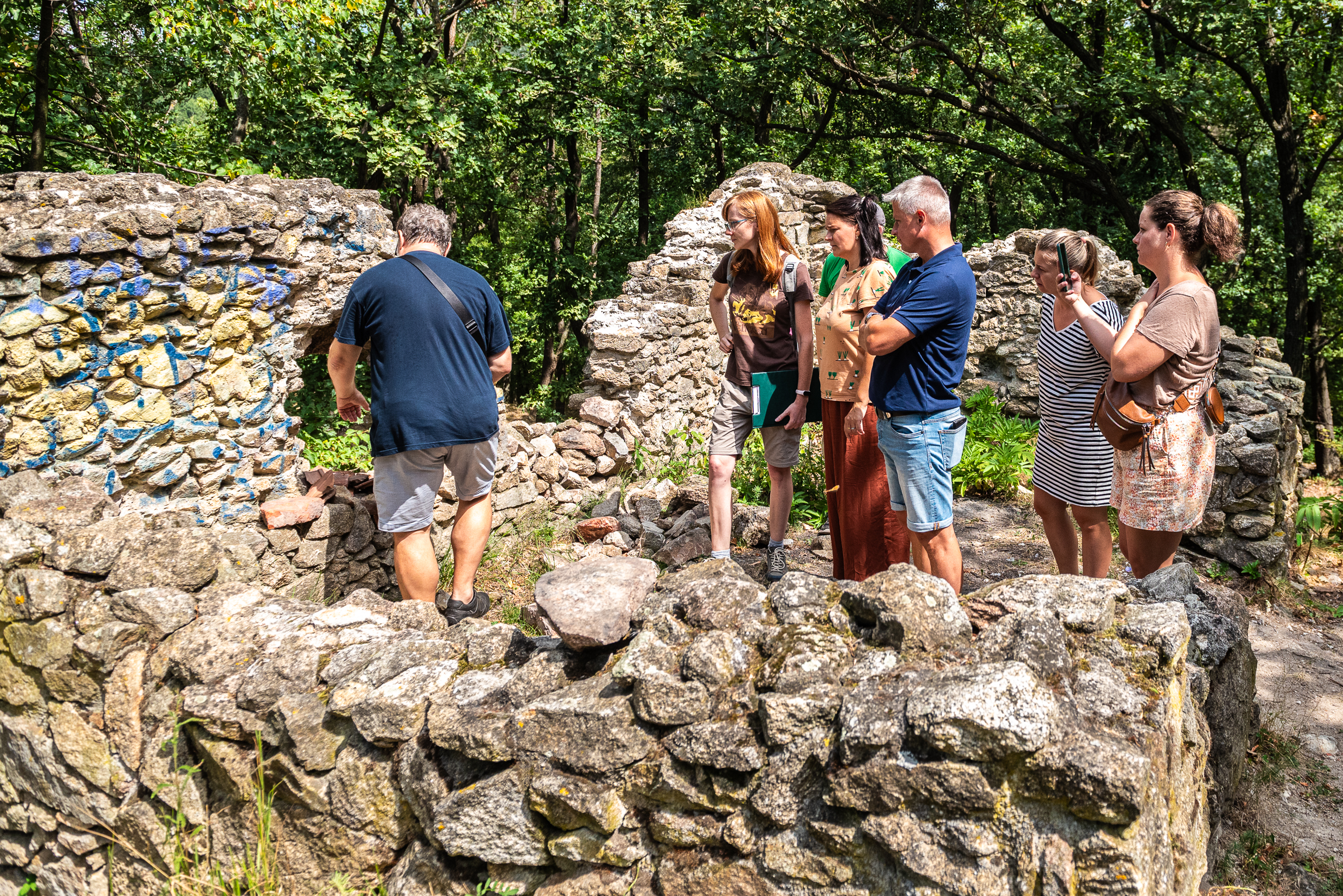
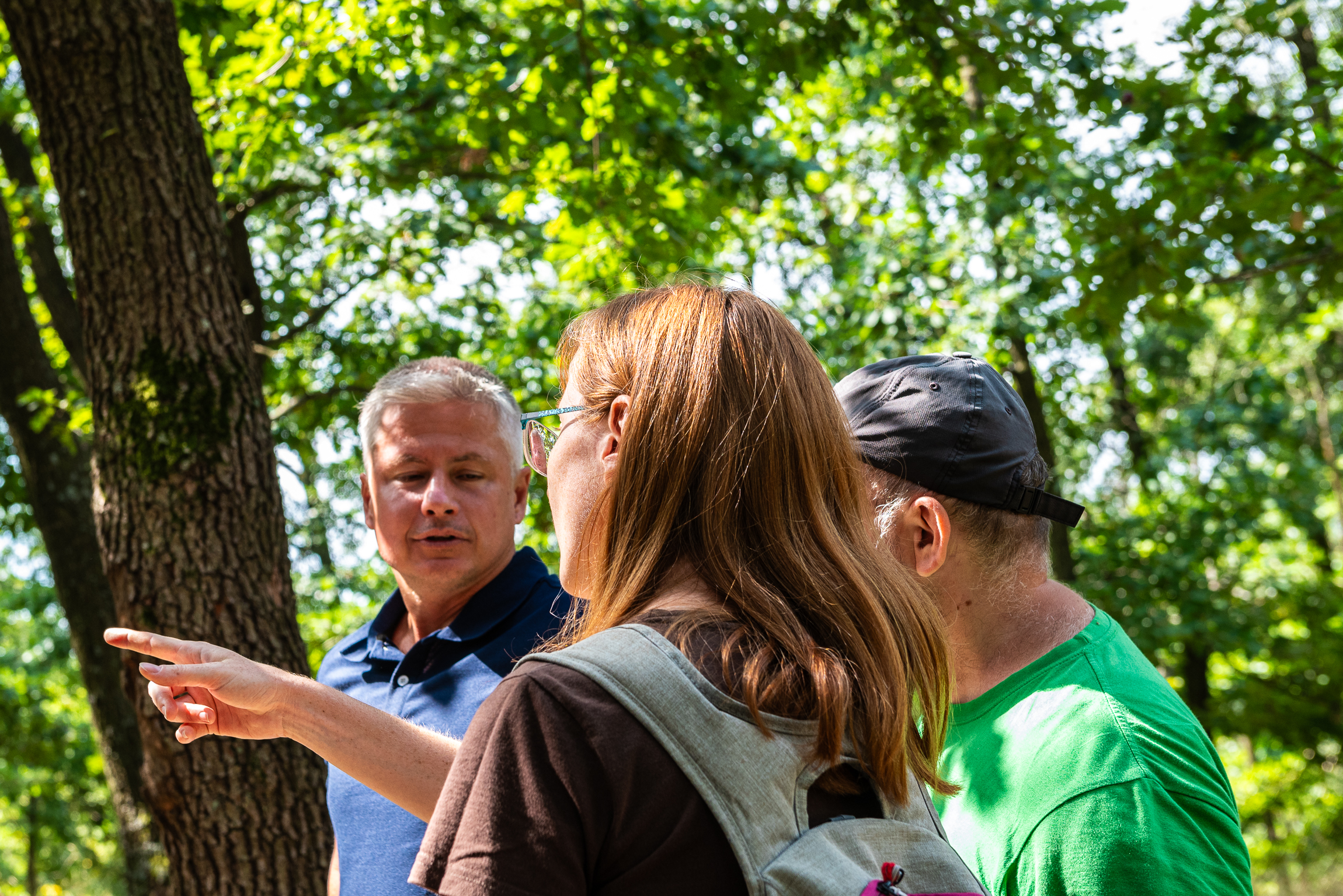
“When we set out to uncover history, we must keep in mind that the truth is often more prosaic than the romanticized visions, myths, and legends of a given location,” Martin Hrubala reveals at the start of our shared climb up the hill.
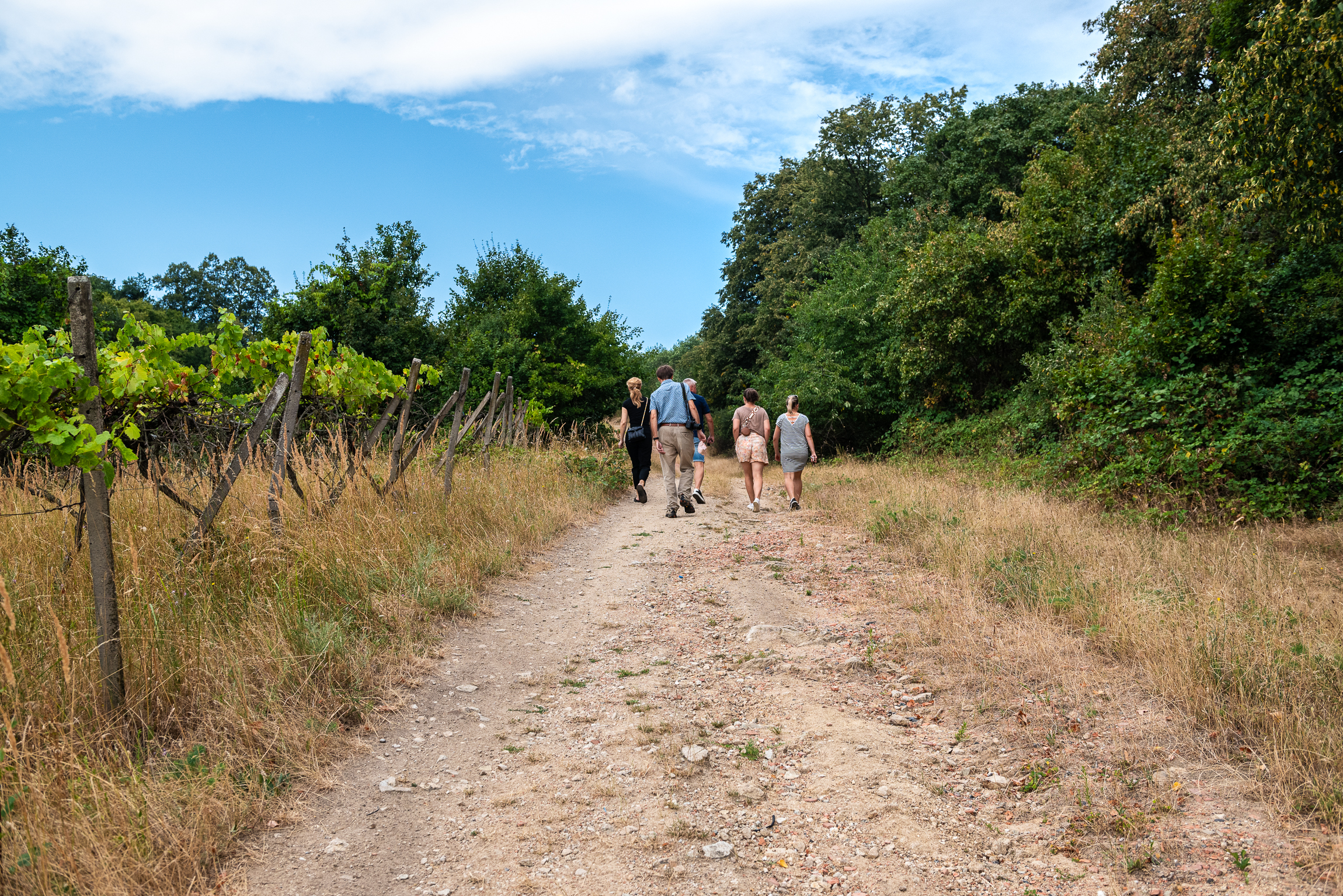
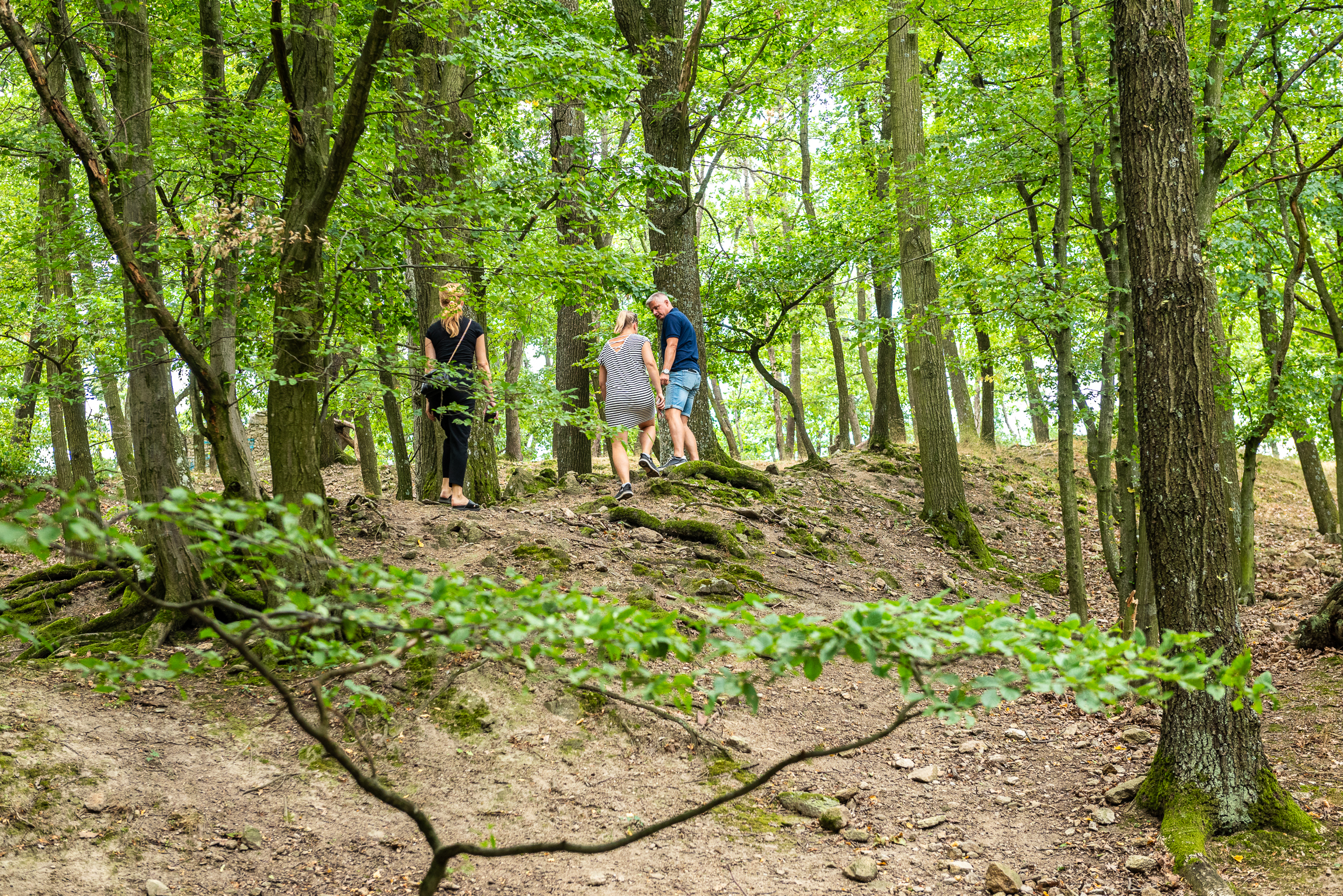
The hike to the house is not long, but it is a relatively intense climb, during which you pass beautiful, occasionally neglected, yet visually very attractive vineyards. How old is the house, exactly? we ask. Martin Hrubala states that the house is shrouded in myths and legends, with two “storylines” circulating around it.
“What is interesting and unusual at the same time is that the house is located relatively high in the forest. We know from historical sources that higher-altitude vineyard locations and their associated buildings were typical of the Middle Ages—so one line of reasoning is that the house has a medieval foundation from the 15th or 16th century, which was the so-called golden age of viticulture in this area,” says Hrubala.



One legend dates back to the times of the Roman Empire, suggesting that one of many Roman trade routes ran along the ridge of the Carpathians. This house, which allegedly included a fortification, may have served as a guard or fortified point dating back to Roman times. Another myth mentions Francophone-speaking winegrowers from before the German colonization in the 12th century, for whom it was more typical to build stone structures.
However, the most likely and prosaic version, which wakes us from our sweetest dreams, is that the origin of the house dates back to the second half of the 19th century.
Was it truly the house of a ‘pereg’?
It is a fact that stone buildings of this kind are not a common phenomenon in the Small Carpathians. Usually, winegrowers who needed shelter from the rain or the harsh sun, or who simply wanted to store the tools needed for their craft, built simple wooden shelters—known as ‘búdy’ or ‘hajlochy’.
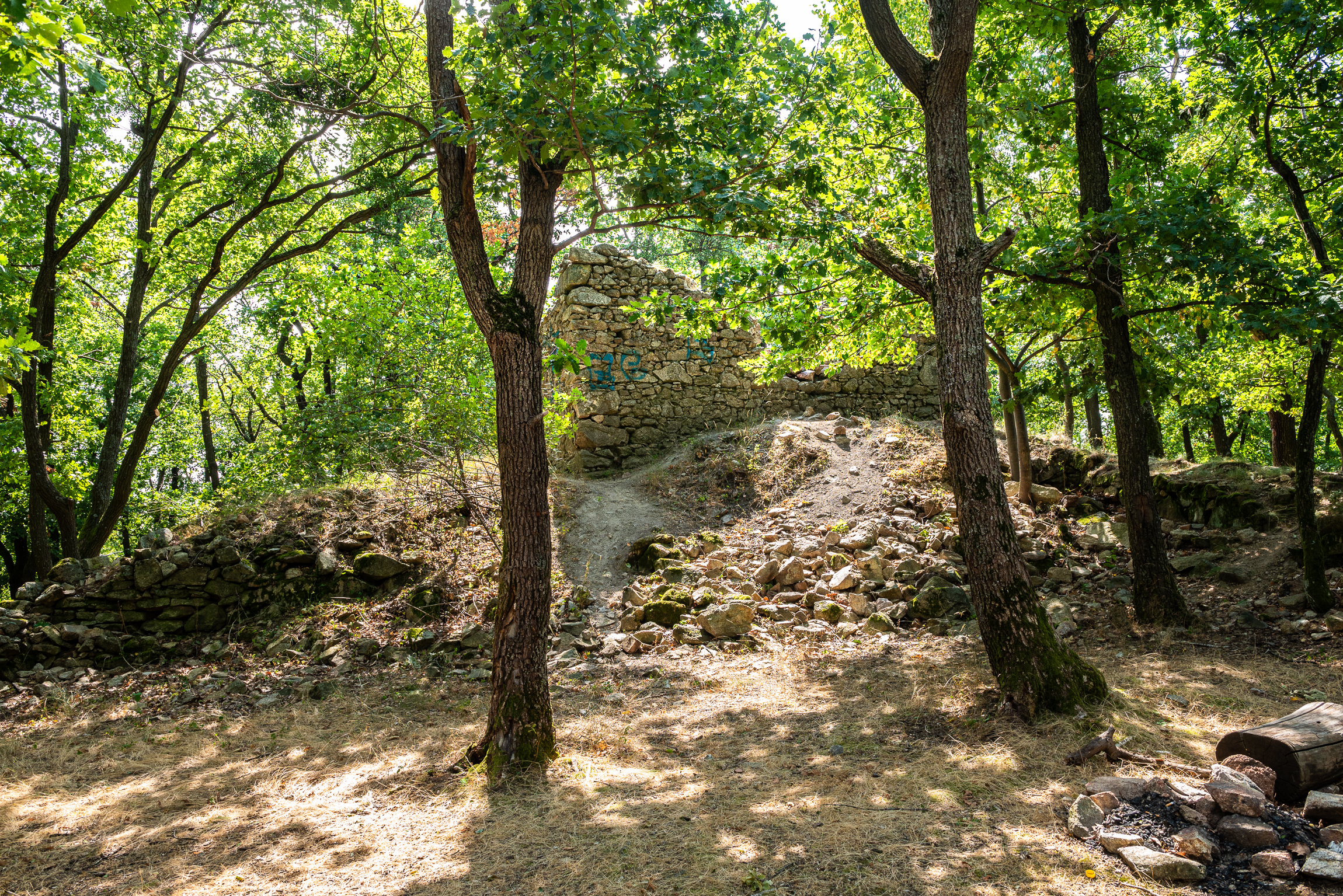
The ‘perecký’ house attracts attention and interest precisely because of its stone construction and location. “If we ignore all the overgrown plants and shrubs, it is built on a strategically significant and elevated spot. For it to truly be a ‘perecký’ house, the ‘pereg’—perhaps a forest warden or another person in charge of organizing viticulture in Pezinok—could have had a view of a significant part of the Pezinok district from there,” says Hrubala. In the past, the ‘pereg’ was a vineyard judge and had the same powers in his “territory” as a mayor in a village. Therefore, also because of that view, which allowed the ‘pereg’ to keep his portion of the land under close scrutiny, we infer that it could theoretically have been a remote office for the ‘pereg’.
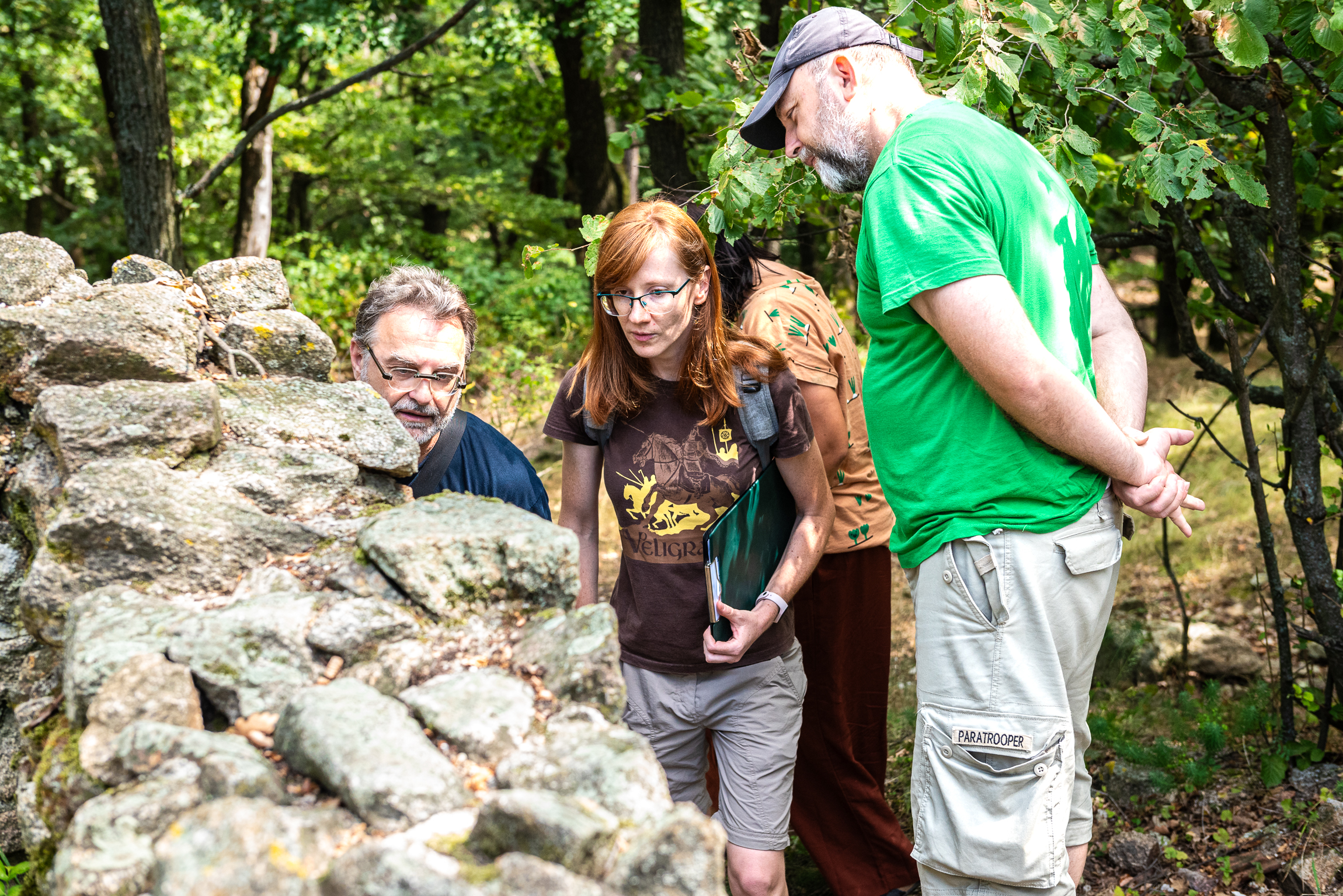
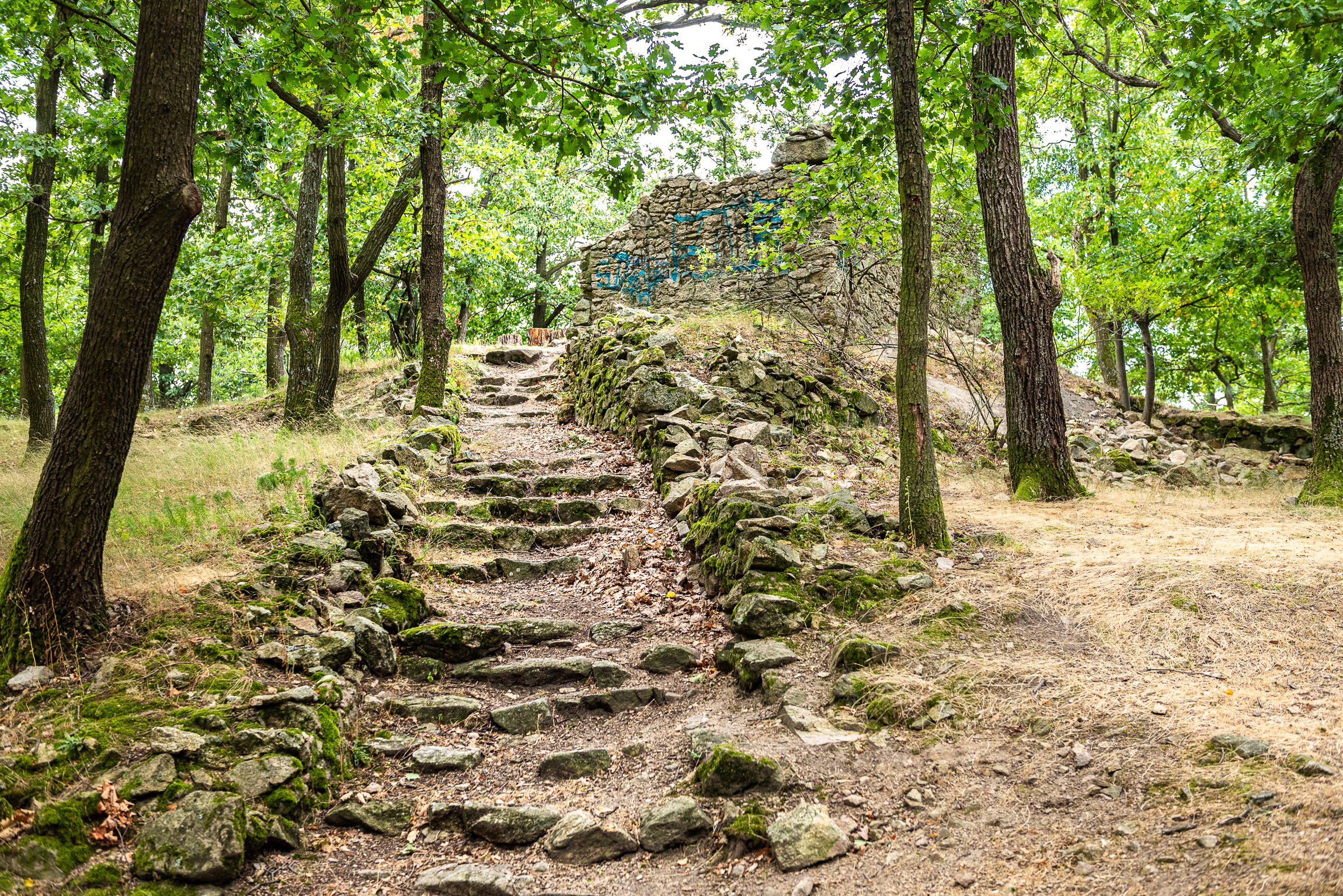
“Although stone buildings were rather rare for that period, we know that similar structures are also found in Modra. It is therefore also possible that this house was built by the vineyard owner of the time, or perhaps it was related to the viticultural self-government and the property belonged to the town. After all, even today it stands on municipal land. The vineyard judge—the ‘pereg’—could have used the place for various purposes: guarding, administrative, etc. And perhaps it is not a small house, but a house, as it appears that the footprint of this object is larger than what is visible today. The nice stone staircase, which appears to be a secondary addition, also draws interest,” adds the director of the Small Carpathian Museum in Pezinok.
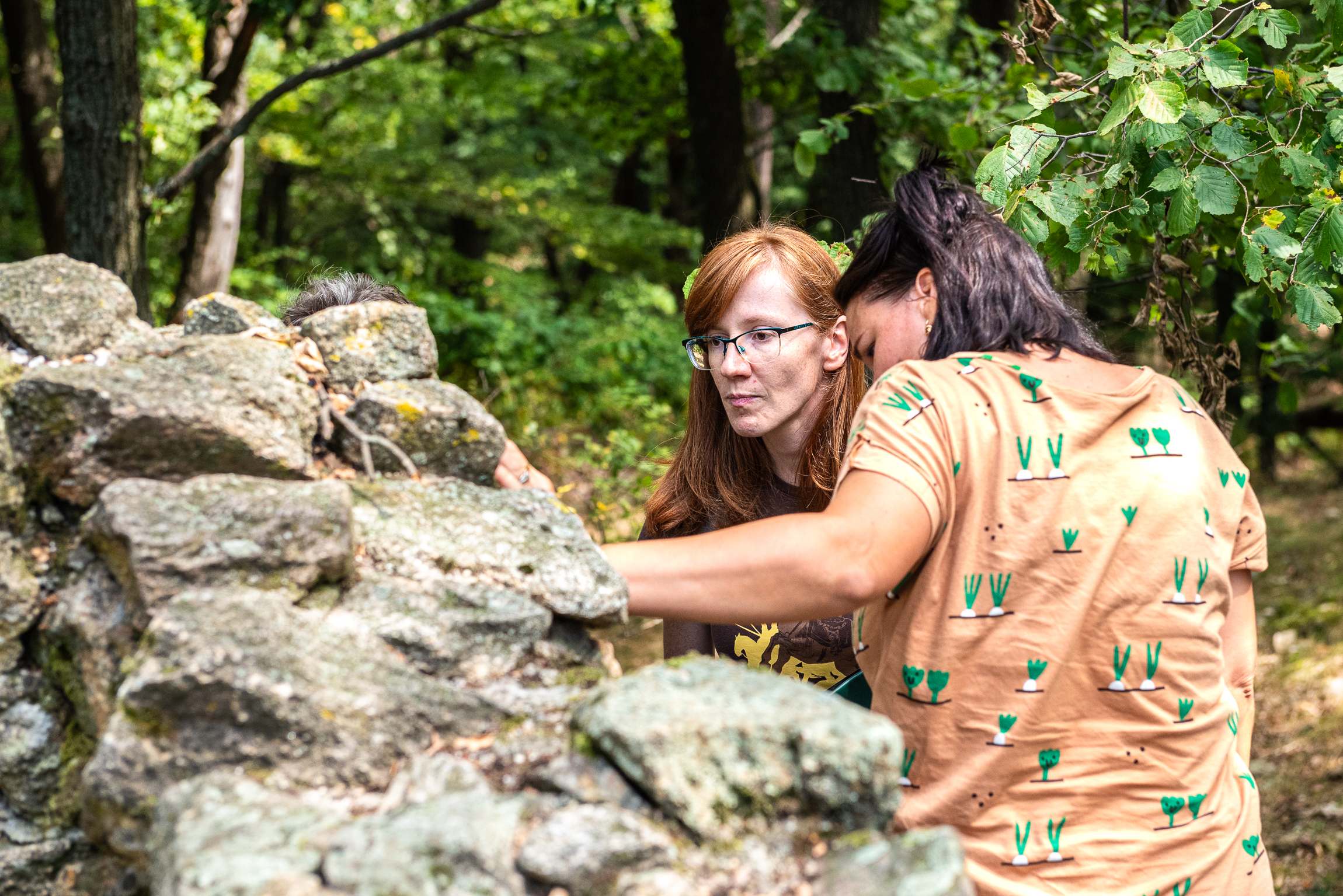
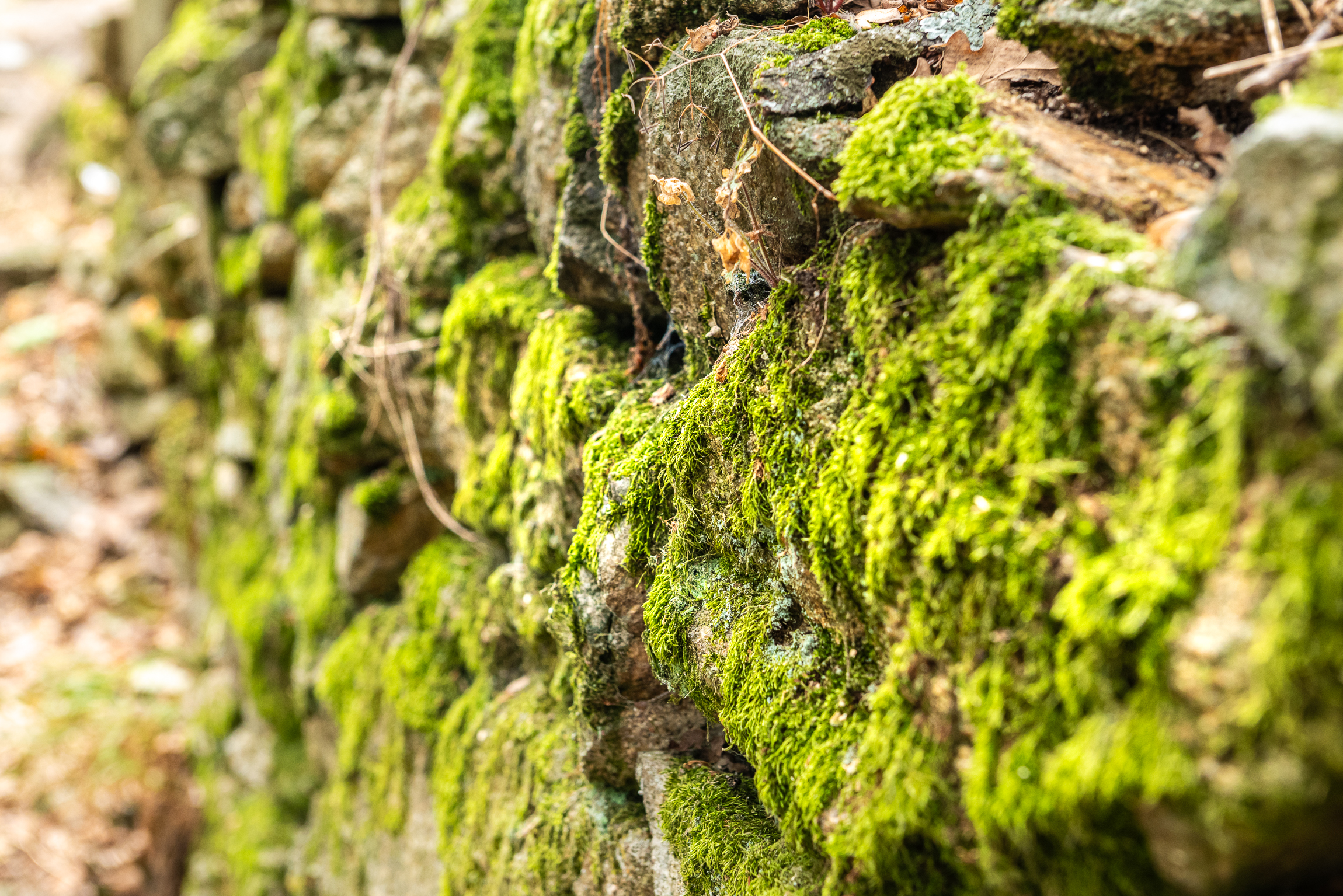
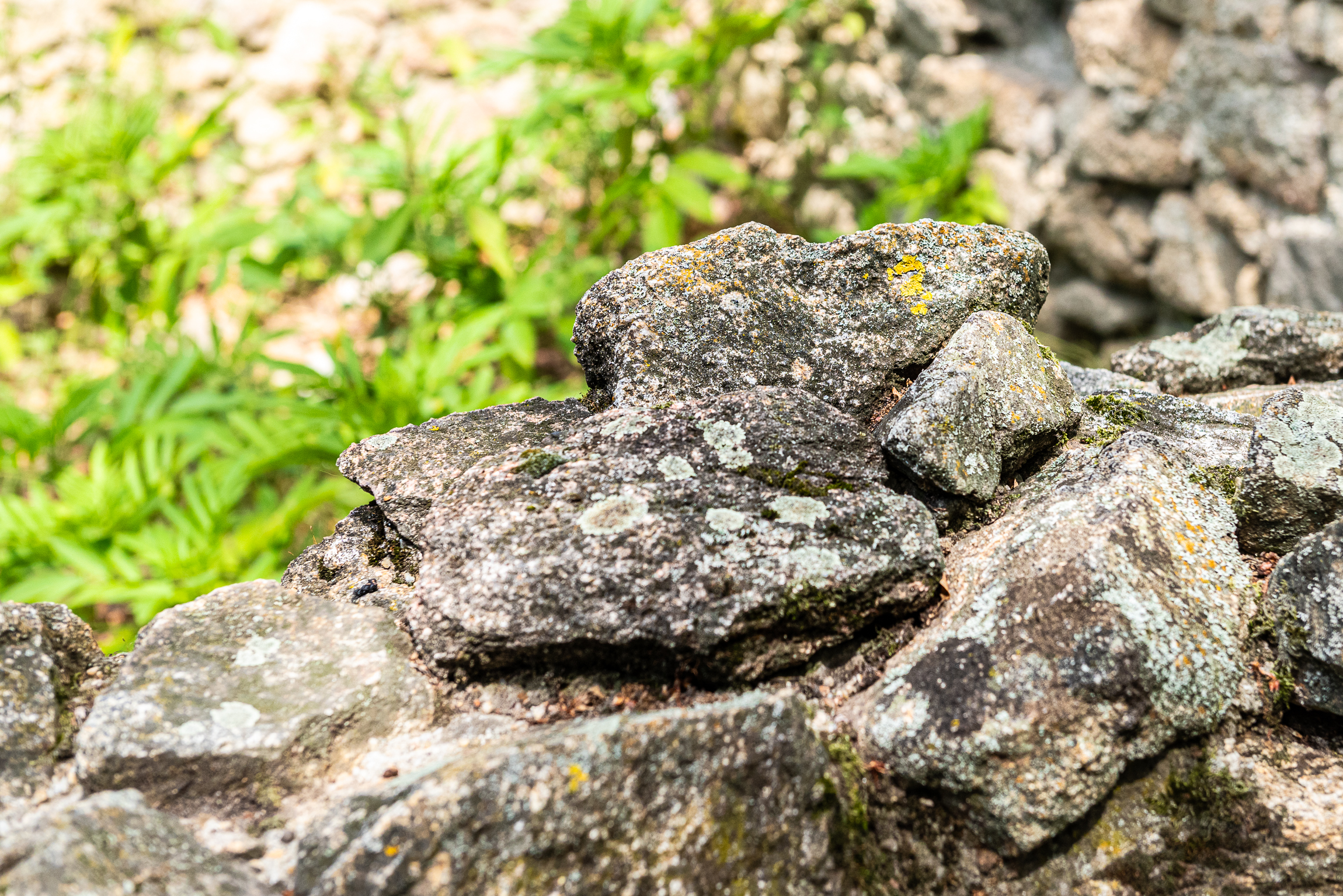
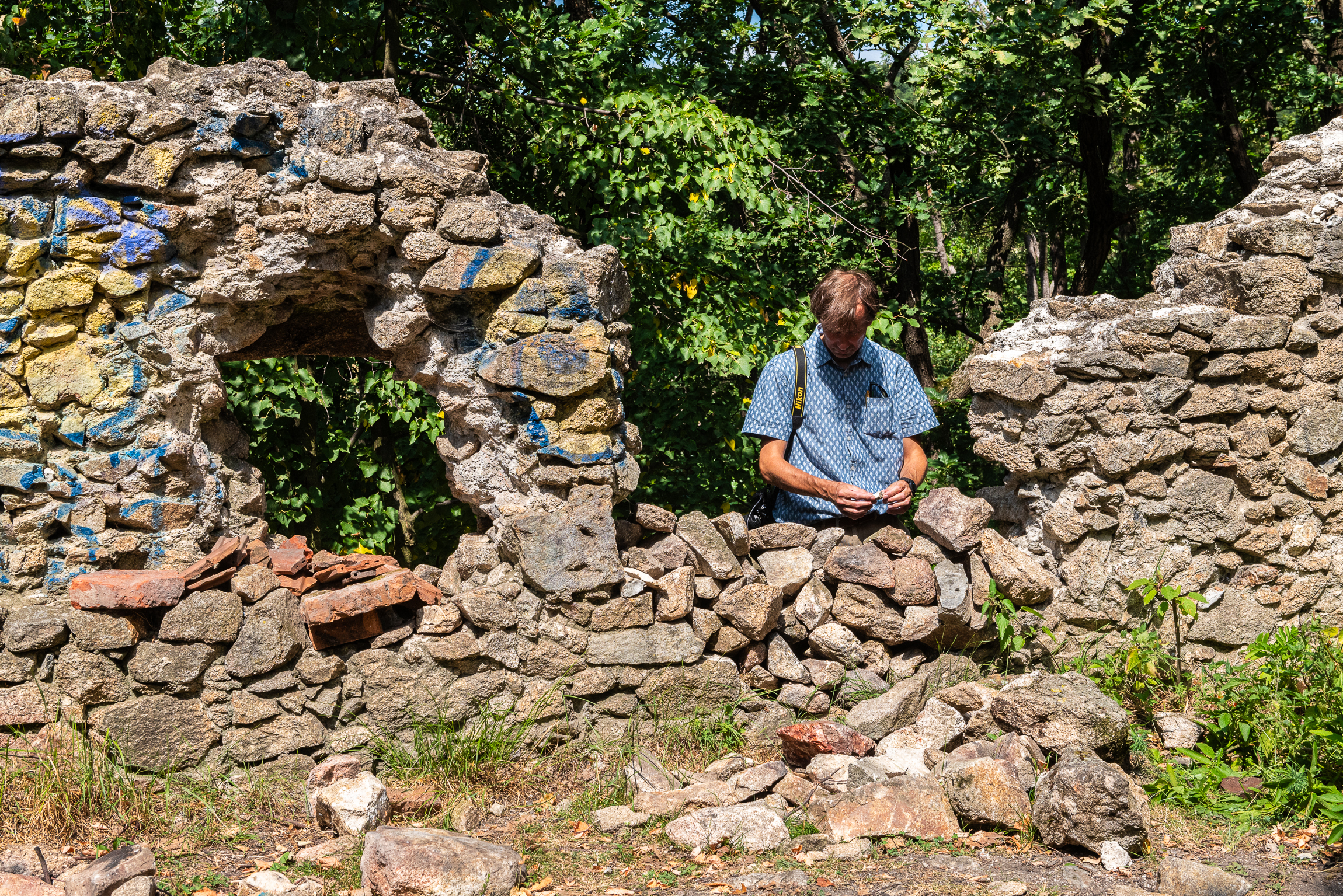
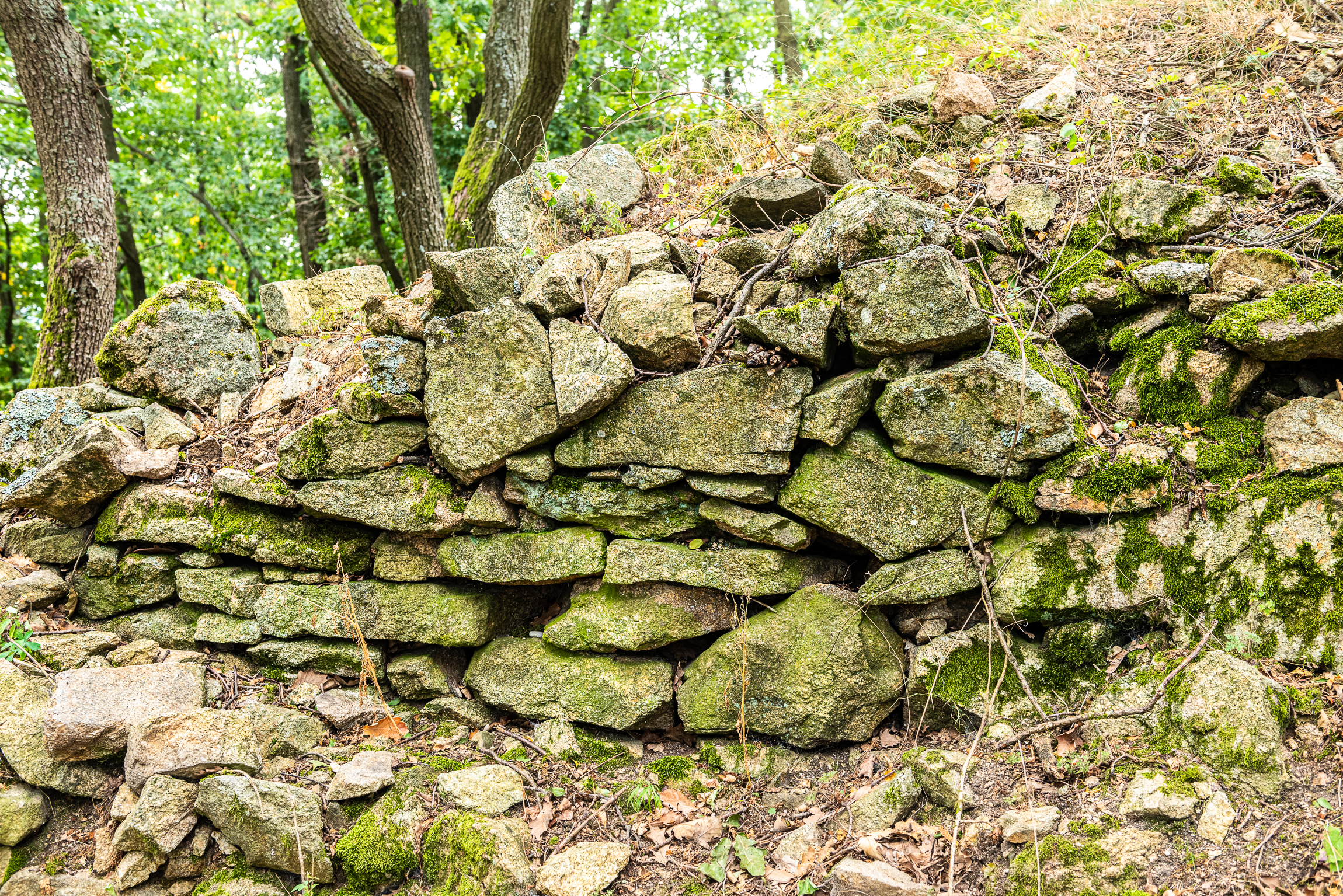
Today, the ‘perecký’ house is a ruin that has been marked by time. Part of the “masonry,” or stones, can also be found in the surrounding ‘kamenice’—stone walls that were created to define one’s property.
And we must regretfully state that undesirable human behavior has also left its mark here. Therefore, we ask everyone: please enter the territory of the ‘perecký’ house with respect and leave its legacy and story to future generations as we know it today.
The published article is related to the implementation activities of the Interreg – CoDeMoRe cross-border cooperation, which aims to strengthen the protection and preservation of nature, biodiversity, and green infrastructure, as well as education on environmental issues in times of climate change, in the sense of sustainable development in Pezinok within the framework of cross-border cooperation between Slovakia and Austria.