

Schaubmar Mill in the Cajla district of Pezinok is a rare technical and cultural monument. The watermill was built in 1767 by the Pálffy family on the Cajlanský Stream. It is named after the Schaubmar family, who acquired it in the 19th century.
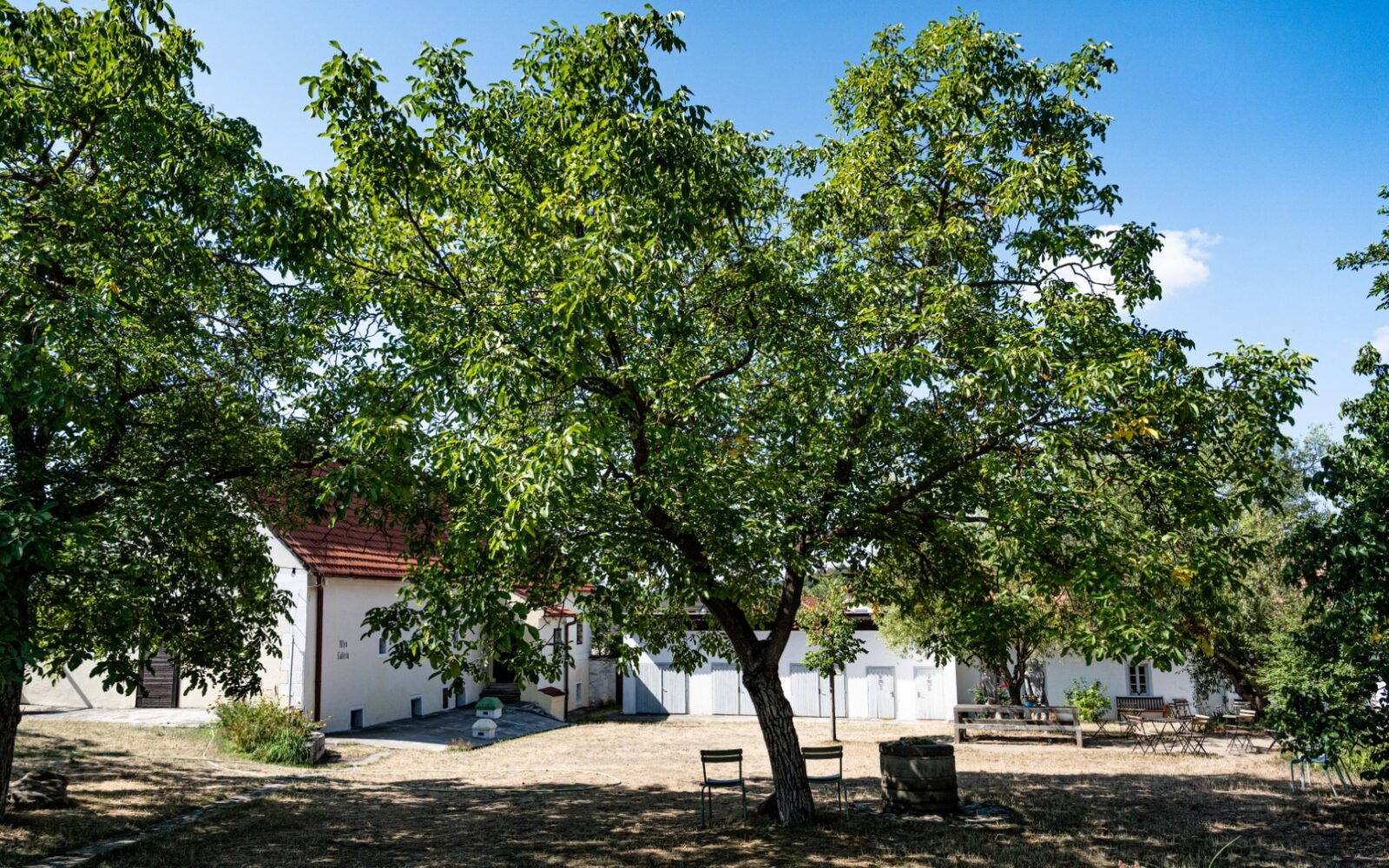
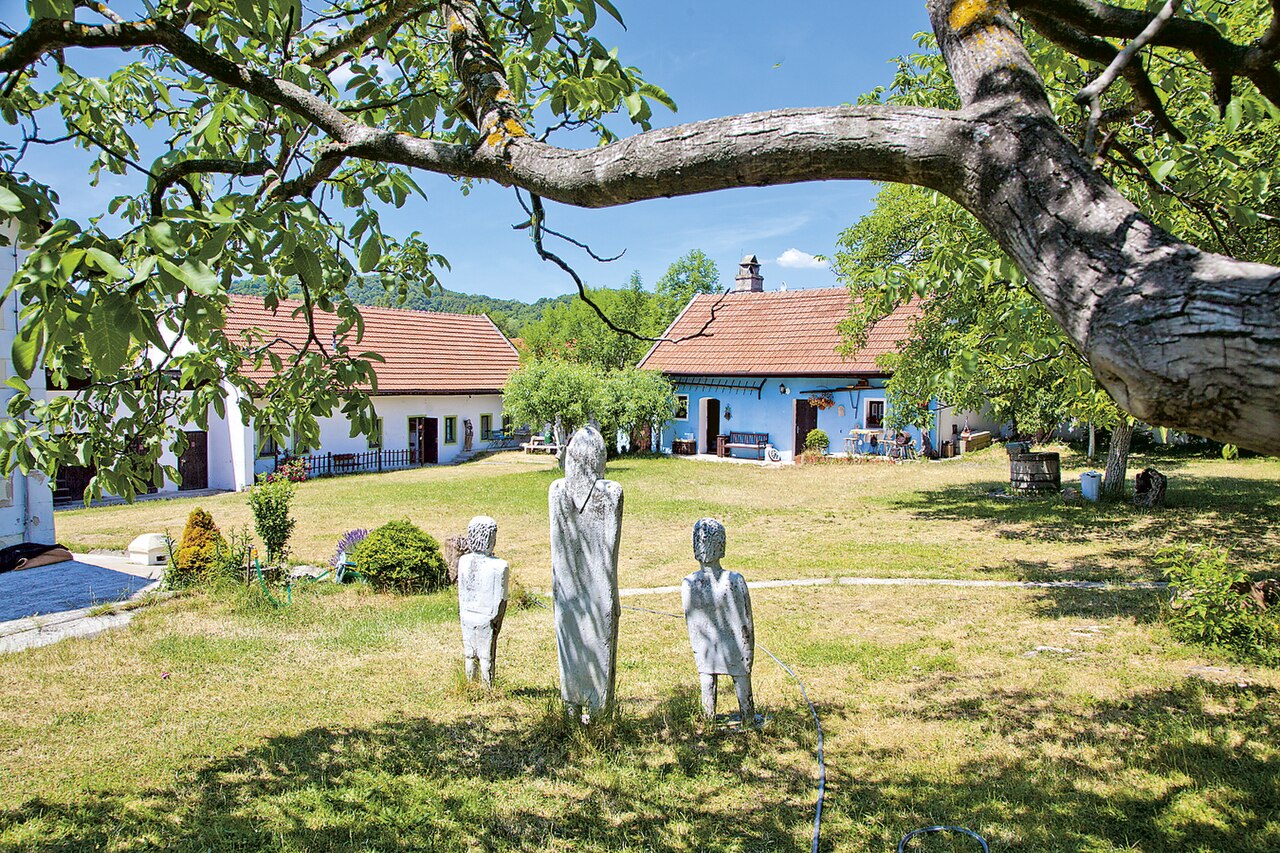
The complex consists of the mill building, farm buildings, a courtyard, an orchard and preserved elements of the water system. The mill is among the largest surviving stream-powered mills of its kind in Europe.
Its technical equipment documents the methods of grain processing before the widespread introduction of modern industrial mills.
The Transformation of the Mill
The Slovak National Gallery acquired the property in the 20th century and preserved its historical value. The site gradually transformed into a gallery and a space for exhibitions, education and cultural events.
The combination of a technical monument, rural architecture, an orchard and contemporary art creates a distinctive atmosphere. Schaubmar Mill demonstrates how a historic industrial building can be preserved while being given a vibrant contemporary purpose.
What Makes Schaubmar Mill Interesting?
Schaubmar Mill, dating back to 1767, is among the largest surviving stream-powered mills of its kind in Europe.
What makes it exceptional is that it is more than just a technical monument: the historic mill, orchard and farmyard now also serve as a venue for the Slovak National Gallery.
It is precisely the combination of the original milling environment with contemporary art that creates an experience rarely found in Slovakia.