

Imagine a lunar landscape—barren, desolate, scarred by more than a century of iron ore mining. Where mining machinery and steel furnaces once cut into the red earth, the Minett UNESCO Biosphere now stretches out—a unique area in southern Luxembourg that brings together industrial heritage, nature, and sustainable development.


Mining heritage and natural transformation
The last mines in the Minett region closed in the 1970s, but their traces are still clearly visible in the landscape. After mining ended, the area began to regenerate naturally—former open-cast mines became havens for biodiversity, where life is once again returning among the red rocks. One example is Giele Botter, where a geological trail guides visitors through a landscape transformed into a nature reserve full of points of interest.


The biosphere reserve also includes the 90-kilometre Minett Trail, which links industrial heritage with the principles of sustainable tourism. Visitors can stay overnight in the designer Kabaisercher cabins located along the route and experience the region at its natural pace.


Our visit and exchange of experience
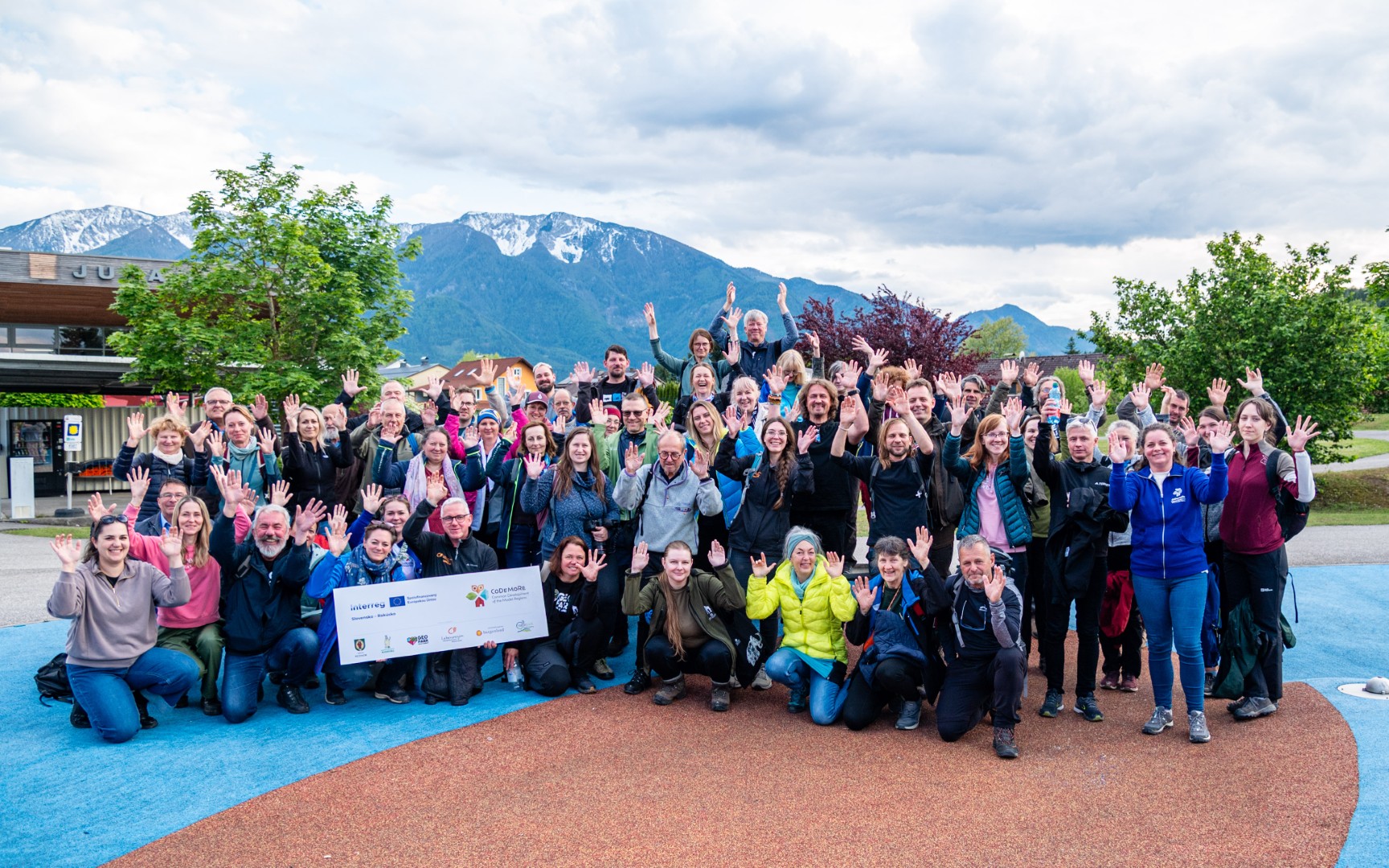
We also came to see this transformed landscape on 7 – 11. 10. 2025—partners of the CoDeMoRe project from the town of Pezinok, the Wienerwald Biosphere Reserve, Wirtschaftsagentur Burgenland, and NGO Barbora. We had the opportunity to learn how the Minett region has managed the transition from the industrial era to an era of nature, education, and innovation.


We were welcomed by prominent political representatives—Tourism Minister Lex Delles, Christian Weis, Mayor of Esch-sur-Alzette and President of Minett UNESCO Biosphere, and Simone Beck, President of the Luxembourg Commission for UNESCO. Their participation underscored the importance of international cooperation and the exchange of experience among CoDeMoRe project partners.


During the three-day visit, we explored various forms of the region’s transformation: we saw how the former steelworks in Esch-Belval have been turned into a modern science and university centre; we experienced the atmosphere of the mining era during a ride on the historic Minièresbunn Doihl train to the Fond-de-Gras open-air museum, where park director Robyn Wehles guided us through what was once a thriving centre of iron ore mining. We also discovered biodiversity on the Giele Botter geological trail, saw what a non-intervention forest looks like, and visited the Ellergronn Nature Conservation Centre, where we discussed environmental education, research, and regional development.


To conclude, we symbolically returned to the beginning—to a place that is still awaiting its renewal. We were presented with plans to build the sustainable Metzeschmelz urban district, which is intended to build on the successful transformation of the Minett region. The developer AGORA is preparing a project here based on innovative mobility concepts, restrictions on car traffic, and the circular use of energy and water resources.


Today, Minett UNESCO Biosphere shows how mining heritage can be turned into a living space for both nature and people—a place where history, science, and sustainability come together in a harmonious whole. We are bringing these valuable insights and inspirations home to support the further development and protection of our regions.
You can also read about the international meeting here: https://minett-biosphere.com/en/news/international-meeting-of-model-regions/