How can landscapes be managed responsibly and sustainably in an era of climate change, growing pressure on land use, and shifting lifestyles? One answer may lie in model regions – areas where nature conservation is combined with support for biodiversity, education, responsible tourism, and the development of local communities. This is the vision being pursued by the international project CoDeMoRe (Common Development of the Model Regions), which connects three partners from model regions – the Malé Karpaty Geopark, the Rosalia-Kogelberg Nature Park, and the Vienna Woods Biosphere Reserve – led by the City of Pezinok as the lead partner.
Although the regions involved represent different types of landscapes, they are united by a shared effort to achieve sustainable land use near major cities and to protect natural heritage amid changing conditions in cultural landscapes. It was in this spirit that a two-day networking excursion took place in the Rosalia-Kogelberg Nature Park in Burgenland, Austria. On 16. – 17 September 2025, it was attended by representatives of the City of Pezinok, the NGO Barbora, and the Wirtschaftsagentur Burgenland.


The Rosalia-Kogelberg Nature Park, which includes 13 municipalities in the Mattersburg district, is a prime example of how nature conservation can be combined with environmental education, community support, and local economic development. For this reason, the excursion programme was designed to showcase various aspects of the area – natural, cultural, and educational.


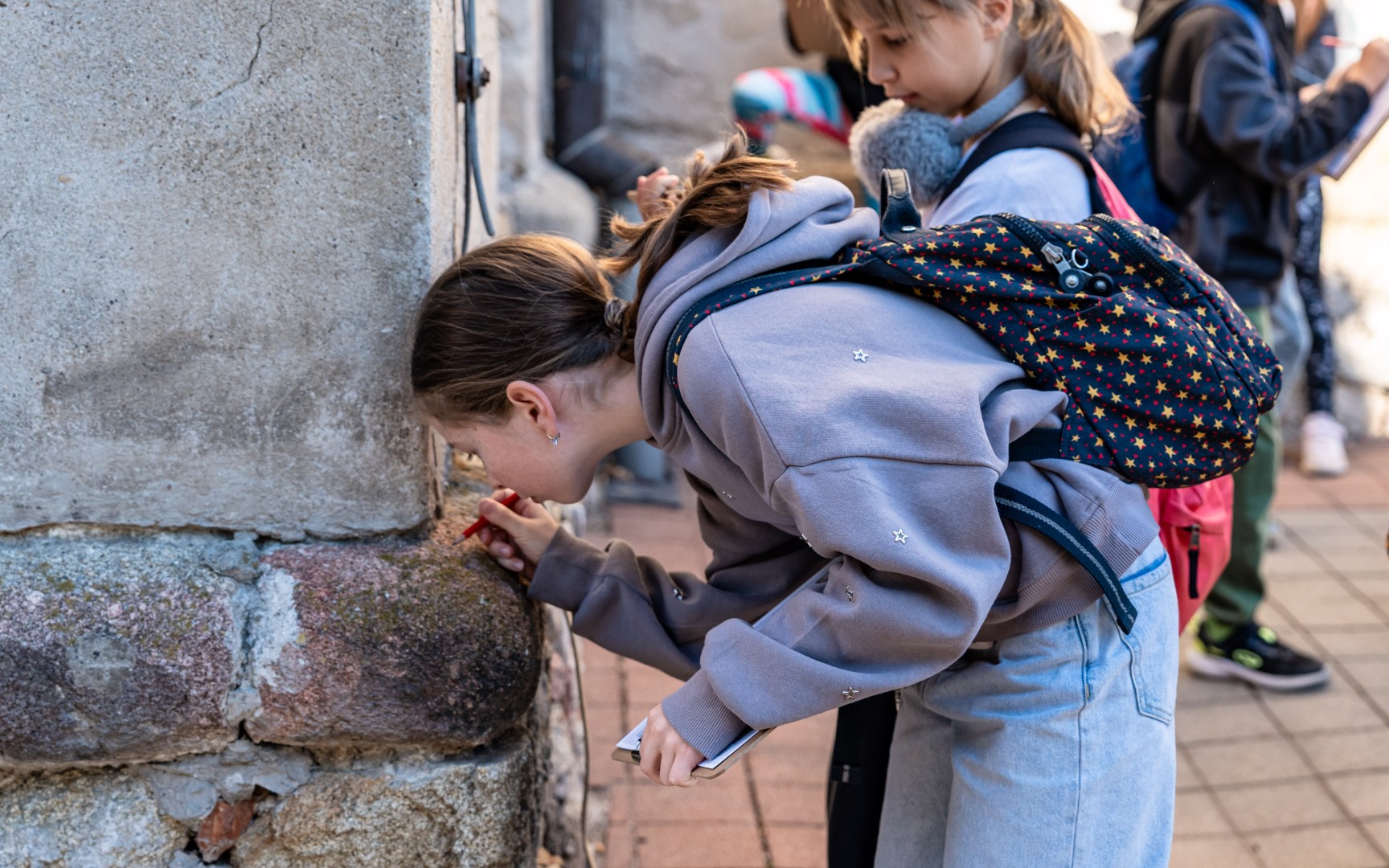
The first day was dedicated to a visit to Forchtenstein Castle and Hans Weiss’s heritage fruit orchard in Rohrbach, where more than 300 traditional varieties of fruit trees serve to preserve biodiversity and support environmental education for both children and adults. The group was guided by biodiversity expert Marlene Hrabanek-Bunyai.


This was followed by a tour of a nature reserve and a valuable habitat for the European nightjar, orchids, and a nesting site of the European bee-eater. Participants were guided by ecologist and herbalist Ilse Szolderits.


The second day continued with a guided climb to the lookout tower near Bad Sauerbrunn, led by forest and cultural landscape expert Hans Peter Killingseder. Along the way, participants took part in activities designed to foster an awareness of nature and life in the landscape. Simple yet thoughtfully integrated elements, made from natural materials and incorporated into the terrain along the route to the tower, serve to make the space more attractive and support environmental education.


The excursion concluded with an outdoor lecture on the connection between wine, culture, and landscape in the village of Sigless, where participants visited the architecturally striking Oktaeder viewpoint, the mythical “stairway to heaven,” and a sundial set within a striking landscape of fields, meadows, and vineyards.


The excursion confirmed that international cooperation can be a valuable source of practical inspiration, shared experience, and new partnerships. The insights gained will be directly applied to the implementation of the CoDeMoRe project in the Pezinok region, with the aim of supporting its transformation into a functional, viable, and well-established model region.