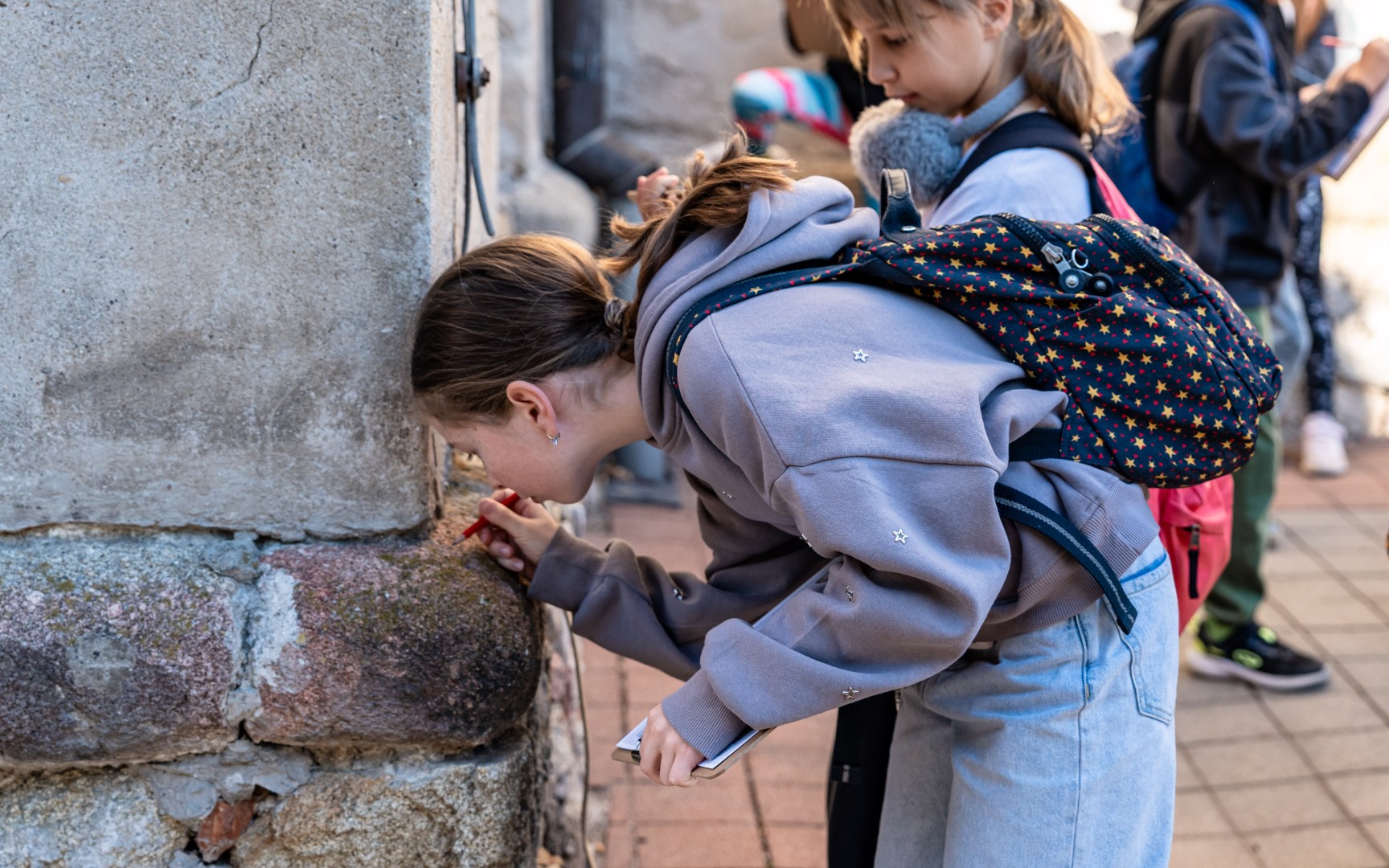
From September 30 to October 4, 2025, Pezinok became the venue for the International Geodiversity Days — an event that combined a professional conference with a public program and educational activities for primary and kindergarten pupils across the Malé Karpaty Geopark. The main organizer was the non-profit organization Barbora, the Slovak partner of the CoDeMoRe (Common Development of the Model Regions) project, in cooperation with the City of Pezinok and other partners from Austria.
Professional Program: A Vision of Cooperation and Sustainable Development
Friday morning was dedicated to a conference at the House of Culture, which showcased the cooperation of four project partners — the City of Pezinok, the Wienerwald Biosphere Reserve, Wirtschaftsagentur Burgenland, and the non-profit organization Barbora — within three model regions: the Malé Karpaty Geopark, the Wienerwald Biosphere Reserve, and the Rosalia–Kogelberg Nature Park.
Representing the City of Pezinok, Miroslava Petrušová, Head of the Strategy and Development Department, presented the city’s activities as the project’s lead partner. Her presentation was followed by contributions from Jiří Vitáloš, Andreas Weiß, and Marlene Hrabanek-Bunyai, who offered inspiring perspectives on sustainable regional development, natural heritage protection, and ecological tourism.


Trees of Partnership as a Symbol of Cooperation
A powerful moment of Friday’s program was the planting of trees of partnership near the popular giant bench overlooking the town. The planting of native fruit trees, initiated by the City of Pezinok, took place with the participation of all project partners and symbolizes the strong connection between the regions on both sides of the border. It will also become part of the planned nature trail leading to Perecký House, where a new outdoor educational point will be created.


Geodiversity Through Experience, for Everyone
Saturday’s program was dedicated to the public. At the Nature and Mining Open-Air Museum and in the Future Adit, visitors could try identifying rocks, play interactive games, or listen to expert talks. A unique experience was offered by the evening event Sounds of Nocturnal Nature, which revealed the lives of owls, nocturnal animals, and the behavior of forest fauna after dark.


The International Geodiversity Days in Pezinok showed that connecting nature, expert knowledge, and people truly makes a difference. Cooperation between regions and bringing geoscience closer to the public lay a solid foundation for the responsible use of natural heritage, the promotion of ecological tourism, and the long-term sustainable development of these areas.