

Information board
European Praying Mantis
You might have one right in front of you – the European praying mantis (Mantis religiosa). Let me show you how to recognize it.
Not Just Any Insect
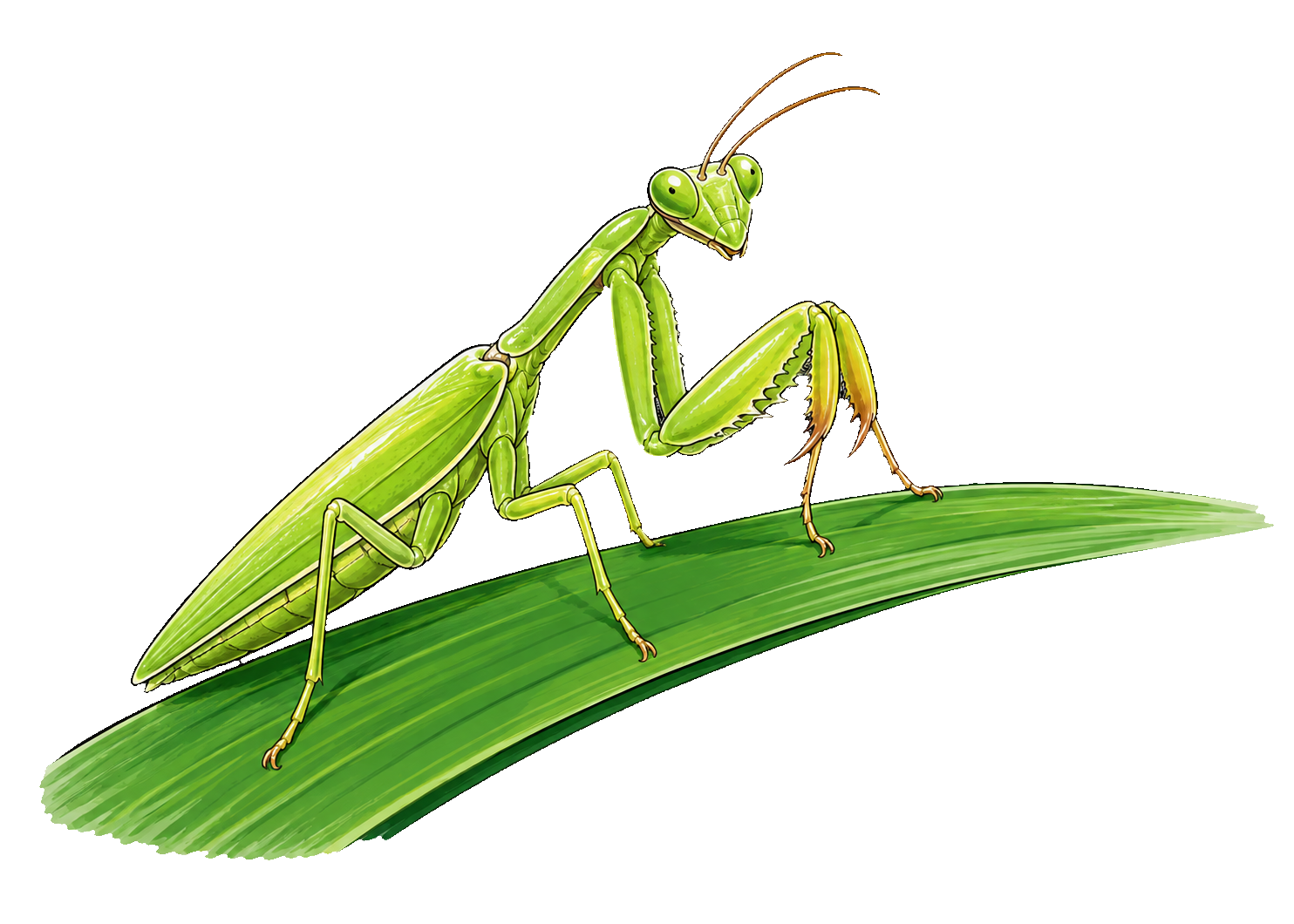
This predator can be recognized by its distinctive posture – its front legs are folded as if in prayer. It looks as though it is praying intently, but in reality, it is waiting for its prey.
Where Can You Find It?
It prefers warmer places with dense vegetation, where it can camouflage itself perfectly. Its green body blends in so well with the leaves that you often notice it only at the last moment. The same goes for its prey.
A Hunter in the Grass
It feeds on other insects – flies, butterflies and grasshoppers. It is a quiet and patient hunter that surprises its prey with a lightning-fast attack.
CREATIVE CHALLENGE
Work together as a team to create a small sculpture using natural materials you find.
Each person may place only one object at a time – without speaking.
Learn More
European Praying Mantis – Master of Patience
The European praying mantis (Mantis religiosa) is one of the most fascinating insects found in our natural environment. It spends most of its time almost completely motionless, patiently blending into its surroundings.
When prey comes within reach, it grabs it with its front legs in a lightning-fast movement. It is precisely this patience and perfect camouflage that make it such an exceptional hunter.
Good to know
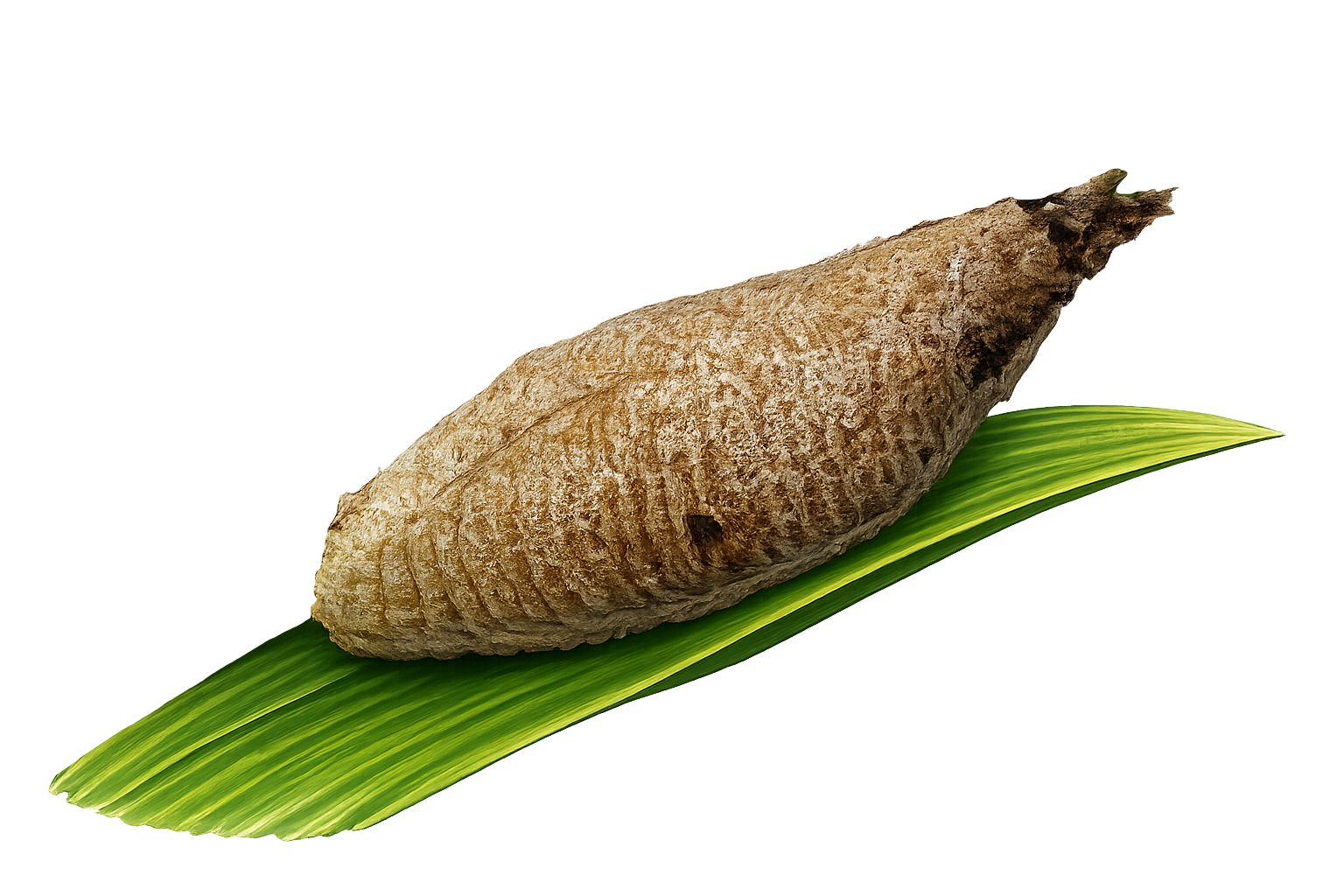
Ootheca – A Safe Home for the Young
In autumn, the female lays her eggs inside a foamy protective case called an ootheca. It gradually hardens when exposed to air and protects the developing young from cold and harsh weather throughout winter.
In spring, several dozen tiny praying mantises can hatch from a single ootheca. At first, they look like miniature versions of their parents.
As they grow, they shed their outer skin several times until they gradually develop into adult praying mantises.
Activity
Play the Praying Mantis Game
One of you will play the role of the European praying mantis. The others will be flying or jumping insects – for example, flies, butterflies or grasshoppers.
The praying mantis finds a spot in the grass or at the edge of the playing area and remains completely still for a while, as if waiting for its prey. The others move slowly around the area like insects in nature.
When one of the players comes close to the praying mantis, it can suddenly move and try to catch them with a gentle touch of the hand. The player who gets caught then becomes the new praying mantis.
As you play, notice that the praying mantis does not rely on running fast. The most important things are patience, careful observation and a lightning-fast reaction at the right moment.
This is exactly how the praying mantis hunts other insects in nature and helps maintain the natural balance.
 17
Next Point
Forest by the Large Gazebo